Botox for Migraines & Cosmetic Treatment
Botox is a trusted, FDA-approved treatment used both for chronic migraine prevention and cosmetic concerns such as fine lines and wrinkles. It is a versatile treatment used for both medical and cosmetic purposes. It works by relaxing targeted muscles, which can help reduce pain, soften wrinkles, and prevent certain muscles from over-contracting.
At Pain Instacare, Botox treatments are performed under physician supervision to ensure safety, precision, and natural-looking results for patients in Cherry Hill and Philadelphia.
Cosmetic Botox
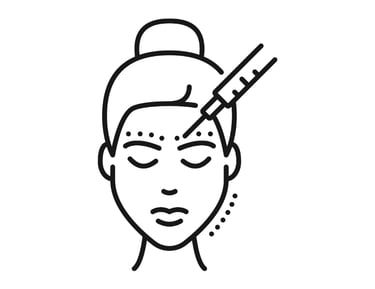
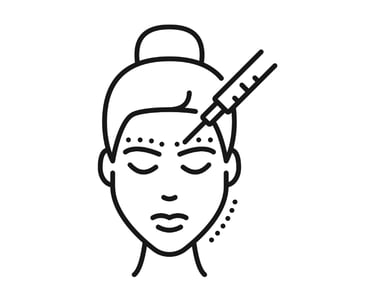
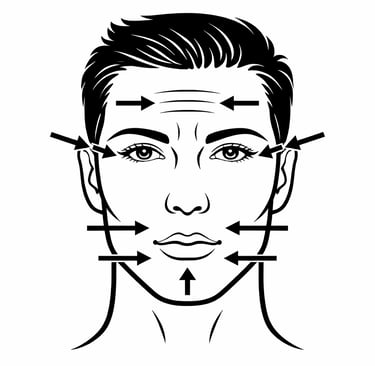
Cosmetic Botox is commonly used to soften fine lines and wrinkles on areas such as the forehead, between the brows, and around the eyes. The goal is a refreshed, natural appearance—not a frozen look. Each treatment plan is personalized based on your goals and facial anatomy.
Botox For Migraines
For patients who suffer from frequent migraines, Botox can help reduce the number and severity of headache days by relaxing specific muscles and calming pain pathways. Treatments are quick, minimally invasive, and typically repeated at scheduled intervals to maintain results. Many patients notice meaningful improvement in quality of life and daily function.
Two Types of Botox Services At Pain Instacare
What To Expect
Botox injections are usually completed in a short office visit with little to no downtime. You may experience mild redness or tenderness at the injection sites, which typically resolves quickly. Results develop gradually over several days and last for several months.
All Botox treatments at Pain Instacare are provided with careful medical evaluation and precise dosing. Your care is guided by a physician to ensure both effectiveness and safety, whether your goal is migraine relief or cosmetic improvement.
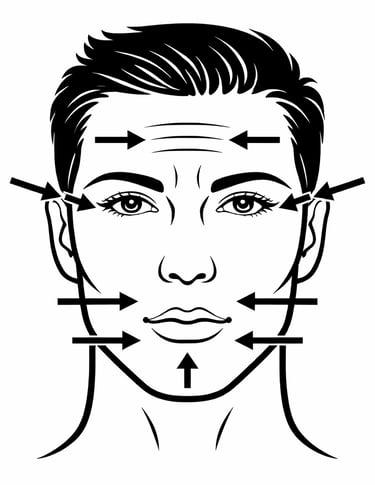
Below are some of the most common areas where Botox is used and how each treatment can help.
Cosmetic Botox
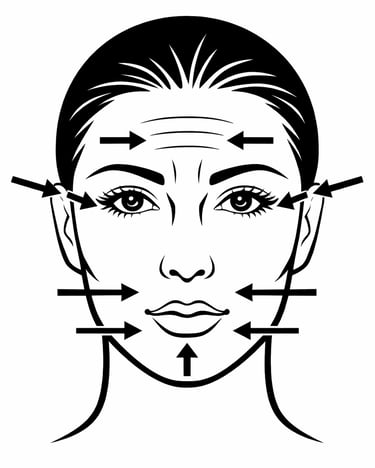
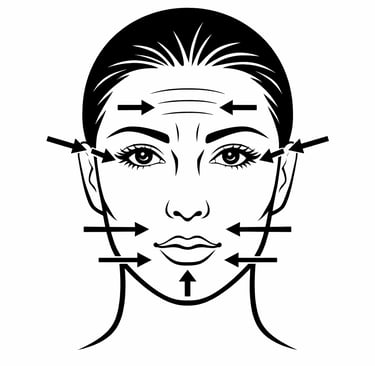
Horizontal lines across the forehead caused by raising the eyebrows.
Benefits:
Botox relaxes the forehead muscles to smooth horizontal lines, creating a more refreshed and relaxed appearance while still allowing natural facial movement when done properly.
Forehead Lines (Frontalis Muscle)
Frown Lines / “11 Lines” (Glabellar Lines)
Crow’s Feet (Lateral Canthal Lines)
Fine lines at the outer corners of the eyes that appear when smiling or squinting.
Benefits:
Botox in this area helps smooth fine lines around the eyes while maintaining a natural expression.
The vertical lines between the eyebrows caused by frowning or squinting.
Benefits:
Treating this area helps soften a tired or angry appearance and can also reduce tension headaches linked to muscle overactivity in this region.
Brow Area (Brow Lift Effect)
Nose (“Bunny Lines”)
Strategic Botox placement around the eyebrows can subtly adjust their position.
Benefits:
Can create a gentle, natural-looking brow lift, making the eyes look more open and refreshed.
Jawline and Masseter Muscles (Jaw Slimming / TMJ-Related Use)
Small diagonal lines on the sides of the nose that appear when smiling or scrunching the face.
Benefits:
Botox can soften these lines for a smoother look across the upper face.
Chin (Mentalis Muscle)
The masseter muscles are the large muscles used for chewing and clenching.
Benefits:
Botox here can reduce jaw clenching and teeth grinding, help with TMJ-related tension, and may also create a slimmer jawline appearance in some patients.
Dimpling or a “pebbled” appearance of the chin caused by muscle overactivity.
Benefits:
Botox helps smooth the chin texture and create a more even, relaxed appearance in the lower face.
Neck Bands (Platysmal Bands)
Vertical bands in the neck that become more visible with age or muscle tension.
Benefits:
Softens the appearance of neck bands to create a smoother, more youthful-looking neck profile.
Botox for Migraines
Botox (onabotulinumtoxinA) works by blocking certain pain signals between nerves and muscles. In migraine treatment, it is injected into carefully selected areas of the head and neck where muscle tension and nerve irritation can contribute to headache pain.
By calming these overactive pathways, Botox can help:
Decrease the number of migraine days per month
Reduce the intensity of migraine attacks
Lessen reliance on daily or rescue medications
Improve overall quality of life and daily functioning
Many patients notice gradual improvement after treatment, with the best results often seen after multiple treatment cycles.
Botox for migraines is typically recommended for adults who:
Have chronic migraines (15 or more headache days per month, with at least 8 being migraines)
Have not had adequate relief from other preventive treatments
Experience migraines that significantly affect work, sleep, or daily activities
A medical evaluation is always required to determine if this treatment is appropriate for you.
Who Is a Candidate for Migraine Botox?
PAIN INSTACARE
"Best Pain Relief Possible"
Contact Us
paininstacare@gmail.com
1-888-PAIN-121 | 1-888-7246-121
© 2026. All rights reserved.


FAX: 1-856-482-7245
1-856-482-7246
100 Springdale Rd, Suite B5, Cherry Hill, NJ 08003
1420 Walnut St, Suite 406, Philadelphia, PA 19102
PAIN INSTACARE @ ECHELON FITNESS 1160 White Horse Rd, Voorhees, NJ 08043