
Steroid Injections
What is a Steroid Injection?
A Steroid Injection delivers pain-relieving corticosteroids and anesthetic medication into the epidural space - the fatty area surrounding the spinal cord and nerves, of the spine to reduce nerve inflammation, swelling, and chronic pain from conditions like herniated discs or sciatica, spinal stenosis (narrowed spinal canal), radiculopathy (pinches nerves) and degenerative disc disease.
This pain management solution takes less than 5 minutes to administer, but offers relief weeks of short-term relief. This is


MRI Results Dictate The Injection Site
Dr. Gupta will review the imaging tests you’ve had such as an MRI (Magnetic Resonance Imaging) before your ESI procedure to determine where to inject the steroid injection.
Here are a few of the most common areas where an MRI can be done:
Cervical Spine
Thoracic Spine
Lumbar Spine
Left/Right Shoulder
Left/Right Wrist
Left/Right Ankle
Left/Right Knee
Left/Right Hip
What are Corticosteroids?
What is Cortisone?
Cortisone injections help reduce pain, inflammation, and irritation in targeted areas of the body. They’re commonly used in joints such as the ankle, elbow, hip, knee, shoulder, spine, or wrist—and can also be effective for smaller joints in the hands and feet. Each injection typically combines a corticosteroid to provide long-lasting inflammation relief with a local anesthetic that offers immediate pain relief.
Corticosteroids are a powerful class of anti-inflammatory medications, similar to the natural hormone cortisol. They treat a variety of inflammatory and autoimmune conditions such as arthritis, asthma, eczema, lupus, and inflammatory bowel disease. Corticosteroids work by reducing inflammation, swelling, and immune system activity.
Epidural Steroid Injection (ESI)
Cervical
Thoracic
Lumbar
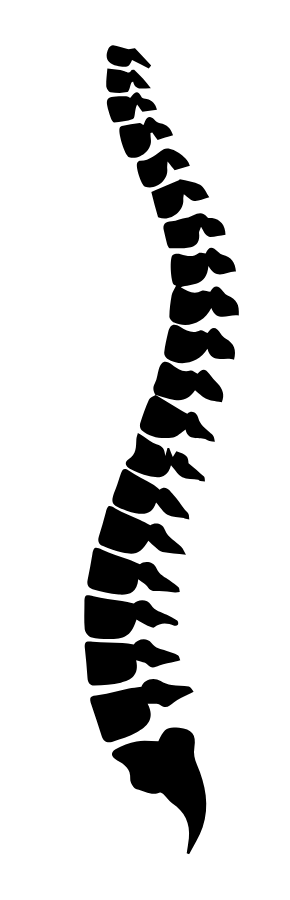
An Epidural Steroid Injection (ESI) delivers pain-relieving corticosteroids and anesthetic medication into the epidural space - the fatty area surrounding the spinal cord and nerves, of the spine to reduce nerve inflammation, swelling, and chronic pain from conditions like herniated discs or sciatica, spinal stenosis (narrowed spinal canal), radiculopathy (pinches nerves) and degenerative disc disease.
Here are the areas where a steroid epidural can be administered:
Cervical Spine (C1-C7)
Thoracic Spine (T1-T12)
Lumbar Spine (L1-L5)
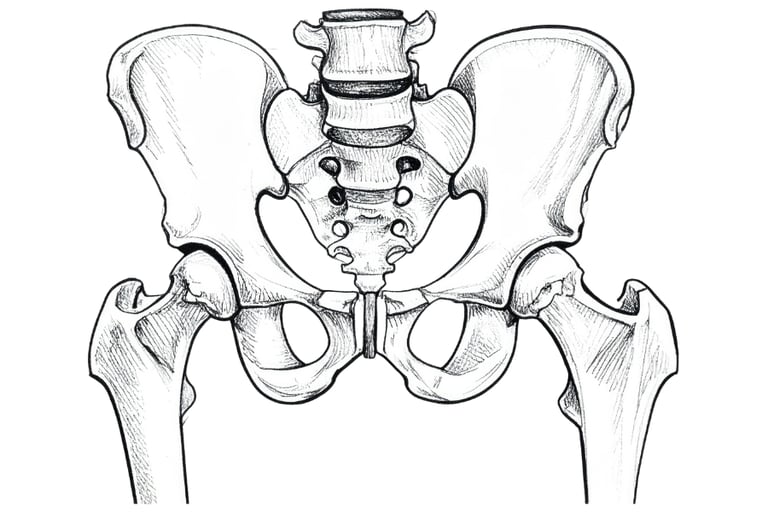
A sacroiliac (SI) joint injection delivers a combination of anti-inflammatory medication and a local anesthetic directly into the joint where the spine connects to the pelvis. This targeted approach helps reduce inflammation and calm irritated nerves, which can relieve pain in the lower back, buttocks, hips, or legs. By decreasing pain and stiffness, SI joint injections can improve mobility, support daily movement, and help patients return to normal activities with greater comfort.
Sacroiliac Injection (SIJ)
Joint Injection
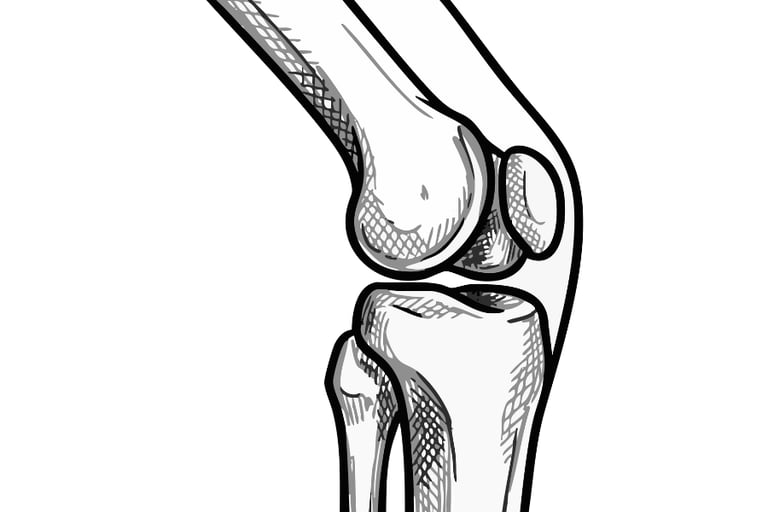
Joint injections deliver anti-inflammatory medication and a local anesthetic directly into a specific joint to reduce inflammation, ease pain, and improve mobility. Commonly used for joints such as the knee, shoulder, hip, elbow, or wrist, these injections provide targeted relief that can help decrease stiffness, restore function, and support more comfortable daily movement.
PAIN INSTACARE
"Best Pain Relief Possible"
Contact Us
paininstacare@gmail.com
1-888-PAIN-121 | 1-888-7246-121
© 2026. All rights reserved.


FAX: 1-856-482-7245
1-856-482-7246
100 Springdale Rd, Suite B5, Cherry Hill, NJ 08003
1420 Walnut St, Suite 406, Philadelphia, PA 19102